Introduction to Creating with Care: A Trauma-Informed Approach to Storytelling
Article 1 of 26 in the Creating with Care Series
Stories Are Powerful. Power Deserves Care.
Personal stories help us make sense of the world.
They connect us to one another, invite empathy, and remind us what is possible when people are seen and heard. That is what makes stories powerful. It is why we use them for everything from changing regimes, to entertaining the masses, to funding causes and to sparking movements that matter.
Stories not only move audiences…
They shape the people who share them.
They shape the people who collect them.
They shape the people who edit them.
And they shape the people who witness them.
That reality is often felt, but rarely named.
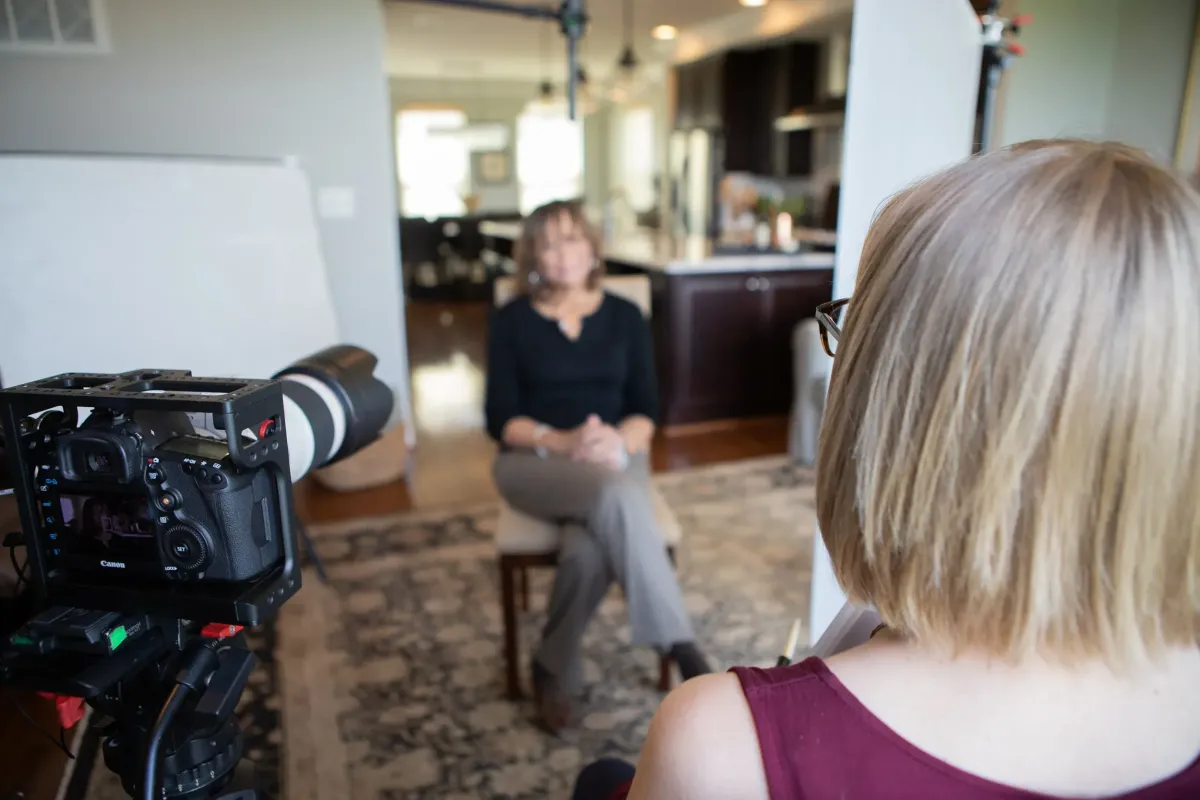
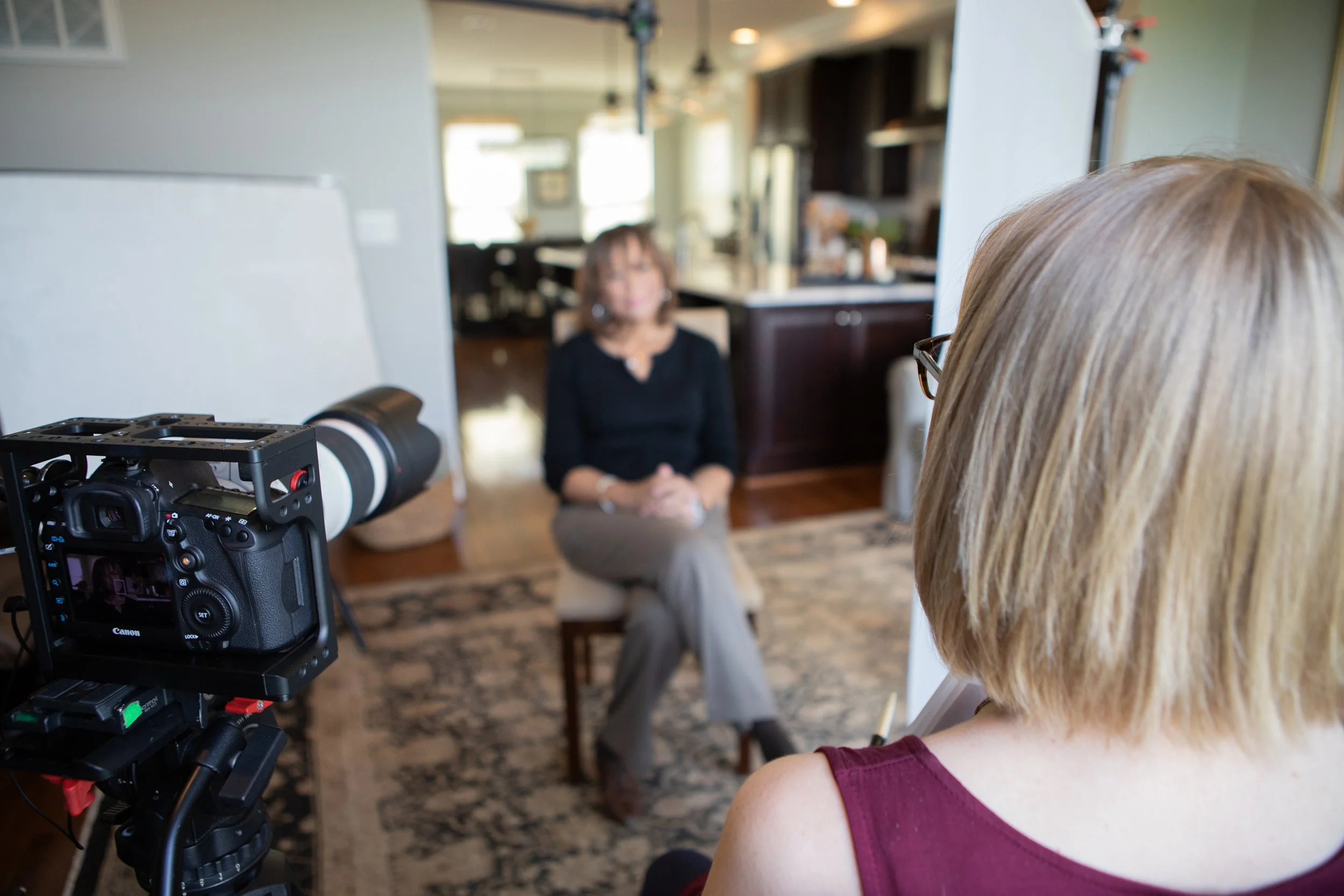
We see it in the subtle ways stories are gathered. In interviews that move faster than the interviewee is ready for. In moments where emotion is treated as a dramatic win, rather than an opportunity to listen and honor that experience. In the person behind the camera, expected to keep things moving even when a story touches something personal.
This isn’t always from bad intent. It can easily happen in the normal course of business as staff try to do their job and create a final product. But it reflects a lack of structure and shared language around care and responsibility in storytelling.
Most organizations and storytellers working in this space care deeply about the people and communities they serve. They believe in the power of lived experience. They want storytelling to create connection, dignity, and change.
That is where Creating with Care begins.
Introducing Creating with Care
Creating with Care is a trauma-informed storytelling and video production framework developed through years of work in television and nonprofit spaces, alongside mission-driven organizations and real people sharing lived experience.
It represents a conscious shift toward more ethical, human-centered storytelling.
It exists because stories are powerful, and power should always be treated with care.
The Creating with Care guidebook outlines this framework in full, offering principles and practices for trauma-informed storytelling across the lifecycle of a project. This blog series, The Trauma Informed Lens, is a companion to that guide. Each article explores one part of the framework in greater depth, translating it into real-world storytelling and video production decisions.
This framework offers a practical way to think more intentionally about how stories are gathered, shaped, and shared. Not to limit storytelling, but to strengthen it. Not to make stories safer by dulling their truth, but to make them more ethical, sustainable, and aligned with the values many organizations already hold.
Although much of this work was shaped in nonprofit settings and informed by television production practices, it is relevant to anyone working in ethical storytelling, documentary work, or human-centered video production.
Creating with Care is not a rulebook. It is a practical framework that helps teams make more intentional decisions before, during, and after stories are told.
What Trauma-Informed Storytelling Means in Plain Language
A Trauma-informed storytelling “framework” can sound clinical or intimidating, especially to creatives and communications professionals who value intuition and connection.
In plain terms, trauma-informed storytelling recognizes that stories live in people, relationships, and systems, not just in scripts, interviews, and edits.
A trauma-informed approach to storytelling prioritizes:
Emotional and relational safety
Informed, ongoing consent
Agency over what is shared and how
Dignity in representation
This approach does not assume every story involves trauma. It acknowledges that everyone involved — from the person sharing a story, to the bystanders in the room, to the audience — brings lived experience that shapes how stories are received and understood. As storytellers, we won’t know those lived experiences. We don’t know where the land mines are. But if we can prevent re-traumatization, we should.
Trauma-informed storytelling is an ethical practice that supports thoughtful decision-making throughout the storytelling and video production process.
Later in this series, we will unpack the specific principles that guide trauma-informed communications. For now, what matters is this: how stories are gathered and shared matters just as much as why they are told.
Better Stories, Not Weaker Ones
Ethical or consent-based storytelling has been overlooked in the past because the field has been taught to focus on the results of how the audience experiences the video. It also can add time to the schedule, and at first glance, it seems like it would prevent the “juiciest” on-camera moments.
But from our personal experience, the framework improves results. The process prevents major problems after filming and leads to better stories because interviewees feel safe being vulnerable. It also maintains the best relationships with your participants (i.e. partners, staff and community members), ensuring continued cooperation in the future.
Trauma-informed video production does not dilute impact. It protects it.
It allows storytelling to be emotionally resonant without being extractive. Powerful without being manipulative. Transformative without asking anyone to pay a hidden cost.
This framework supports organizations in aligning their communications and fundraising work with their stated values, ensuring that mission and practice reinforce rather than contradict each other.
Why This Is a Series, Not a Single Article
Trauma-informed storytelling does not live in a single decision. It lives in process.
It shows up in how stories are pitched, how interviews are structured, how consent is revisited, how edits are made, how videos are distributed, and how teams are supported afterward.
That is why Creating with Care is being shared as a 26-part thought leadership series over the course of a year. Each article will explore one aspect of trauma-informed communications, blending reflection with practical application.
Topics will include:
Consent as an ongoing relationship
Power dynamics in nonprofit storytelling
Emotional safety for storytellers and production teams
Ethical editing practices
Sustainability and burnout in video production
Aligning storytelling with organizational mission
This series is not about perfection. It is about building shared language and practical tools for work that already carries weight.
Who This Work Is For
Creating with Care is designed for:
Nonprofit leaders and executive teams
Communications and development professionals
Filmmakers, photographers, and video producers
Organizations working with impacted communities
Anyone telling stories rooted in lived experience
You do not need to be a trauma expert to engage with this work. You need curiosity, care, and a willingness to pause when something feels misaligned.
Often, the first and most meaningful step is simply naming the intention to work in a trauma-informed way, or asking the question: How can we approach this with care? That question alone can begin to create safety.
How to Use This Series
These articles can be used in many ways:
As training material for communications and video teams
As conversation starters within organizations
As reflection tools for ethical storytelling practices
As guidance for building trauma-informed media policies
They are meant to be returned to, not rushed through.
If this approach resonates, consider bookmarking the series or subscribing for updates as new articles are released.
In Conclusion
Storytelling will always be powerful.
The question is whether we are willing to treat that power with care.
Trauma-informed storytelling does not ask us to change the stories we tell. It asks us to change how we tell them, honoring the people who make them possible.
This series is an invitation to explore what that can look like.
Frequently Asked Questions
What is trauma-informed storytelling?
Trauma-informed storytelling is an ethical approach to storytelling that prioritizes safety, consent, agency, and dignity for everyone involved, from participants to storytellers to audiences.
Why does trauma-informed video production matter for nonprofits?
Nonprofits often rely on personal stories to communicate impact. Trauma-informed video production helps ensure those stories build trust, protect relationships, and align with mission-driven values.
Is trauma-informed storytelling the same as therapy?
No. Trauma-informed storytelling is a professional storytelling and media practice that applies care and ethical awareness to the creative process.
How does consent work in trauma-informed media?
Consent is informed, ongoing, and reversible. Participants understand how their stories will be used and can revisit or change their consent as circumstances evolve.
Can trauma-informed stories still be impactful?
Yes. Stories shared from agency and clarity often resonate more deeply and authentically than stories shared under pressure.
Anyone working in nonprofit storytelling, ethical video production, journalism, or communications that involves real people and lived experience.
